Key Signs Your Roof May Need Replacement
How to tell when a roof has reached the end of its service life
A roof replacement becomes necessary when the existing roof can no longer keep water out, support the weight of its own materials, or maintain structural integrity. The clearest sign is active leaking during rain. But many roofs show warning signs long before water enters the living space. Knowing what to look for can help you plan a replacement before damage spreads to the roof deck, insulation, or interior finishes.
The age of the roof is the first thing to consider. Asphalt shingles typically last 20 to 30 years, depending on climate, ventilation, and installation quality. Wood shakes, tile, and metal roofing each have different lifespans, but all eventually degrade. If your roof is approaching or past that range, a professional inspection is wise even if it looks fine from the ground. READY ROOFING, LLC
Visible damage on the surface
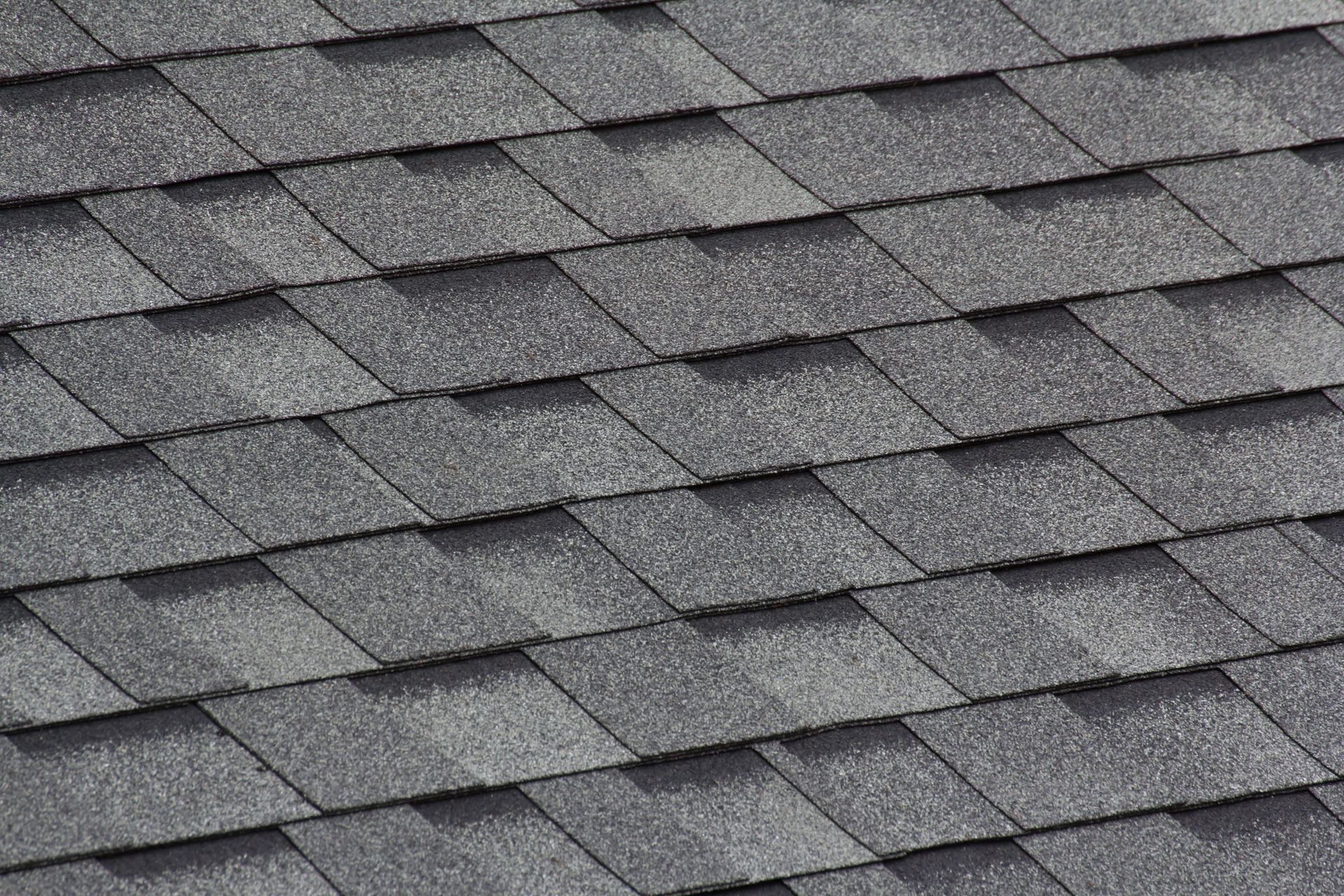
Walk around the property and look at the roof surface from ground level. Curling, cracking, or missing shingles are obvious problems. On asphalt shingles, look for granules in the gutters or downspouts. That granular loss means the protective coating is wearing thin, and the underlying asphalt is exposed to UV radiation. Once that happens, the shingles become brittle and less waterproof.
On tile roofing, broken or slipped tiles create gaps where water can enter. Metal roofing can show rust, loose fasteners, or failed seam seals. Any of these conditions point to a roof that is losing its ability to shed water effectively. If the damage covers more than a small area, patching may no longer be cost-effective, and a full replacement becomes the better option.
Interior clues that the roof is failing
Water stains on ceilings or walls are a clear sign that moisture is getting through the roof covering. Stains that grow after each rain indicate an active leak. Peeling paint, bubbling wallpaper, or a musty smell in the attic also suggest ongoing moisture intrusion. Over time, trapped moisture can rot the roof deck and encourage mold growth, which means the repair gets more expensive the longer it is delayed.
Check the attic during daylight. Look for light coming through the roof boards. If you can see daylight, water can enter. Also check for damp insulation, stained rafters, or any sign of rot. A roof deck that feels spongy underfoot from the attic side is a serious structural concern that usually calls for a full tear off and replacement.
Sagging or uneven rooflines
A roof that looks wavy or has dips in the ridge line may have structural issues. Sagging can happen when the roof deck has been weakened by years of moisture, or when the framing was not adequate for the loads it carries. This condition is not something that can be fixed by adding new shingles. It requires removing the old roofing, repairing or replacing the deck, and installing a new roof system. Ignoring sagging can lead to more serious structural failures over time.
Granule loss and surface deterioration
Asphalt shingles lose granules gradually as they age. A small amount of granule loss is normal, especially near valleys and edges. But when the loss is widespread and the shingles feel thin or papery, the roof is near the end of its life. If you see bare spots where the asphalt is exposed, the shingles are no longer providing full protection from the sun and rain. At this stage, replacing the roof is more practical than trying to patch individual areas.
On a metal roof, the same concept applies to the paint or coating. Once the coating fails and rust begins, the metal will continue to corrode. Painting a rusted metal roof can buy a little time, but it is usually a temporary fix. A full replacement restores the protective barrier.
Assessing the condition of flashings and vents
Flashing is the metal or rubber material used around chimneys, skylights, vents, and roof valleys. Failed flashing is one of the most common sources of leaks. If the flashing is cracked, loose, or pulling away from the roof surface, water can run behind it and into the structure. Similarly, roof vents and plumbing stacks have rubber boots that dry out and crack over time. While replacing flashing and boots is a simpler repair than a full roof replacement, if the rest of the roof is also aged, it often makes sense to do the whole job at once.

Consider the cost of repeated repairs
When a roof needs regular patching, the cost of those repairs adds up quickly. Each repair also disturbs the surrounding shingles, which can cause new leaks. A roof that requires annual attention is almost certainly past the point where replacement is the more economical choice. The money spent on repeated fixes could go toward a new roof that will be trouble-free for years.
The role of proper ventilation
Roof ventilation plays a key part in how long a roof lasts. Attics that are poorly ventilated trap heat and moisture, which accelerates the aging of shingles from below. If you notice that your roof seems to be failing faster than expected, poor attic ventilation could be a contributing factor. When a roof is replaced, it is a good time to evaluate and improve ventilation so the new roof lasts as long as it should. A roofer can check for adequate intake and exhaust vents and recommend improvements.
Permits and planning for a replacement
Most roof replacements require a building permit from the local municipality. The permit process ensures that the work meets current building codes, including requirements for underlayment, flashing, and fastening. A reputable contractor will handle the permit application as part of the job. The permit also triggers inspections at key stages, which adds a layer of quality control. Skipping the permit can lead to issues later, especially if you sell the home and the unpermitted work is discovered.
The scope of a replacement typically involves a full tear off of the old roofing material, inspection and repair of the roof deck, installation of new underlayment, and then the new shingles, tiles, or metal panels. The tear off step is important because it allows the contractor to see the condition of the deck and make any needed repairs before the new roof goes on. Covering an old roof with a new layer is sometimes allowed, but it hides any problems underneath and shortens the life of the new roof.
When to call a professional
If you see several of the signs described here, it is time to have the roof inspected by a qualified roofer. A professional can assess the condition of the roof deck, check for hidden damage, and give you a clear recommendation on whether a replacement is needed. Many roofing companies offer free inspections. The cost of an inspection is small compared to the expense of repairing interior damage from an undetected leak.
For residential and commercial roof repairs, replacements, inspections, and storm damage restoration across Northern Florida, you can contact READY ROOFING, LLC at 5105 Philips Hwy Ste 205, Jacksonville, FL 32207, USA, phone +1 904-404-9849. READY ROOFING, LLC provides these services throughout the region.
READY ROOFING, LLC is also on LinkedIn.